Think About the Box, 2016

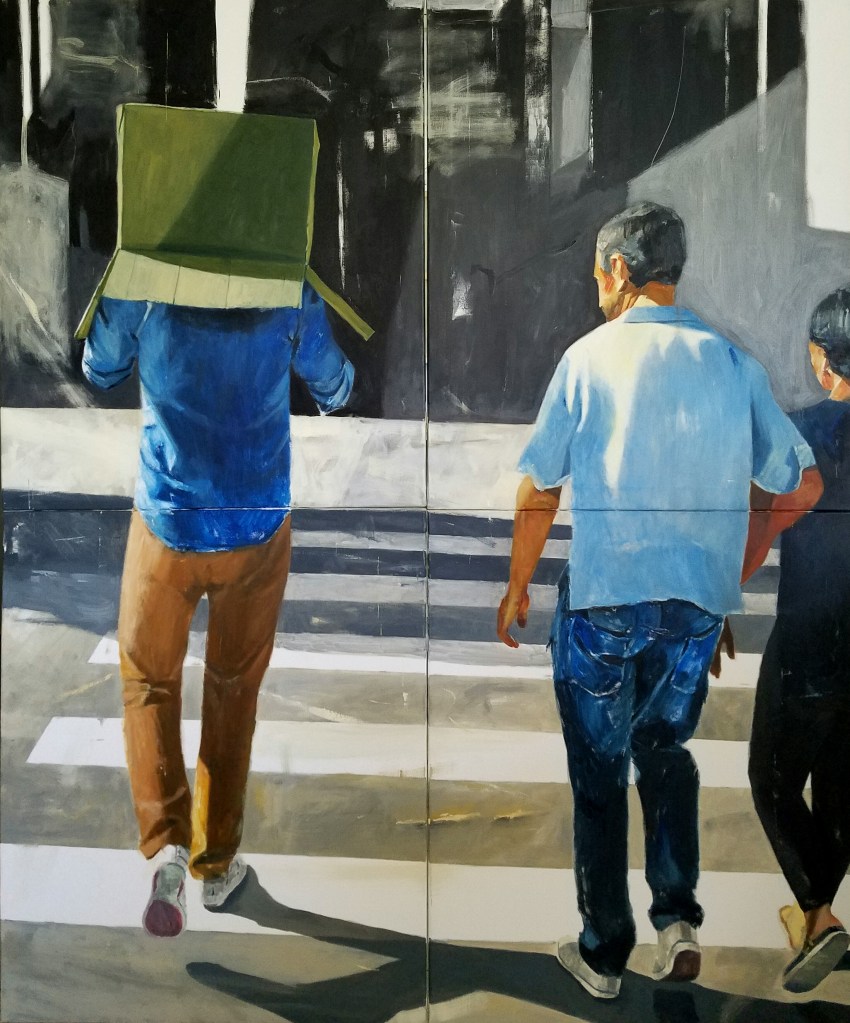
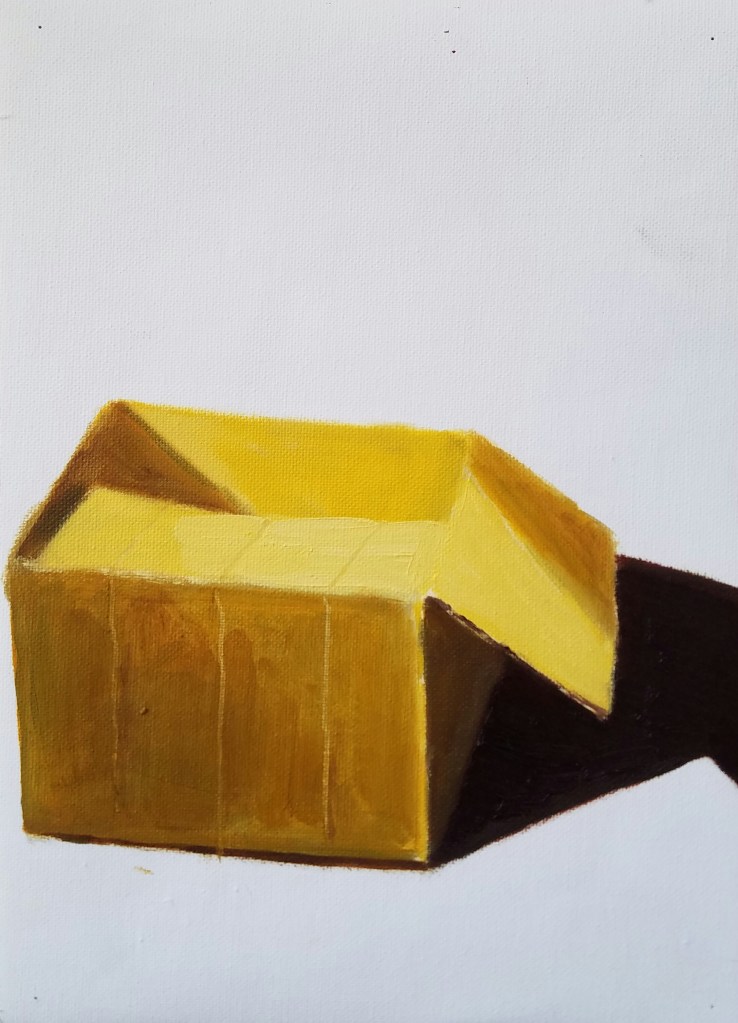
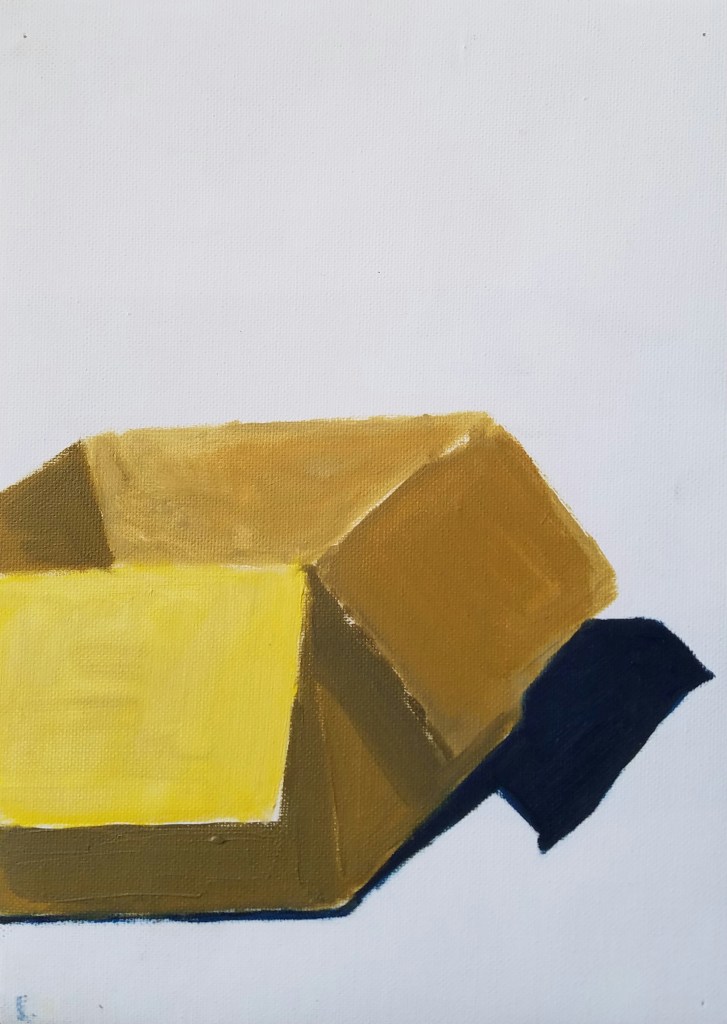
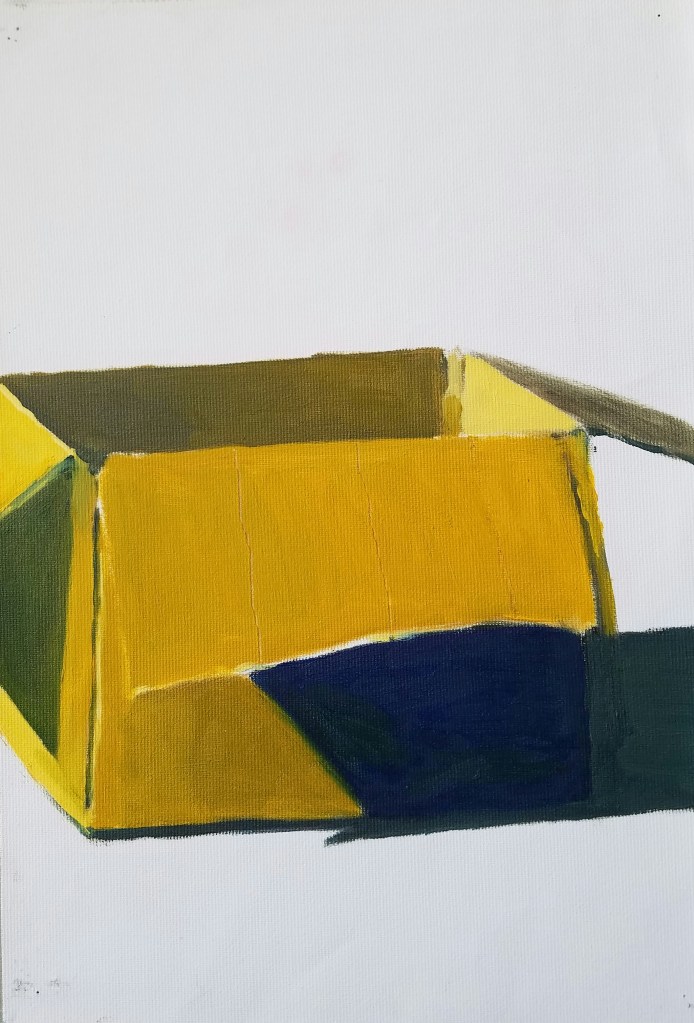
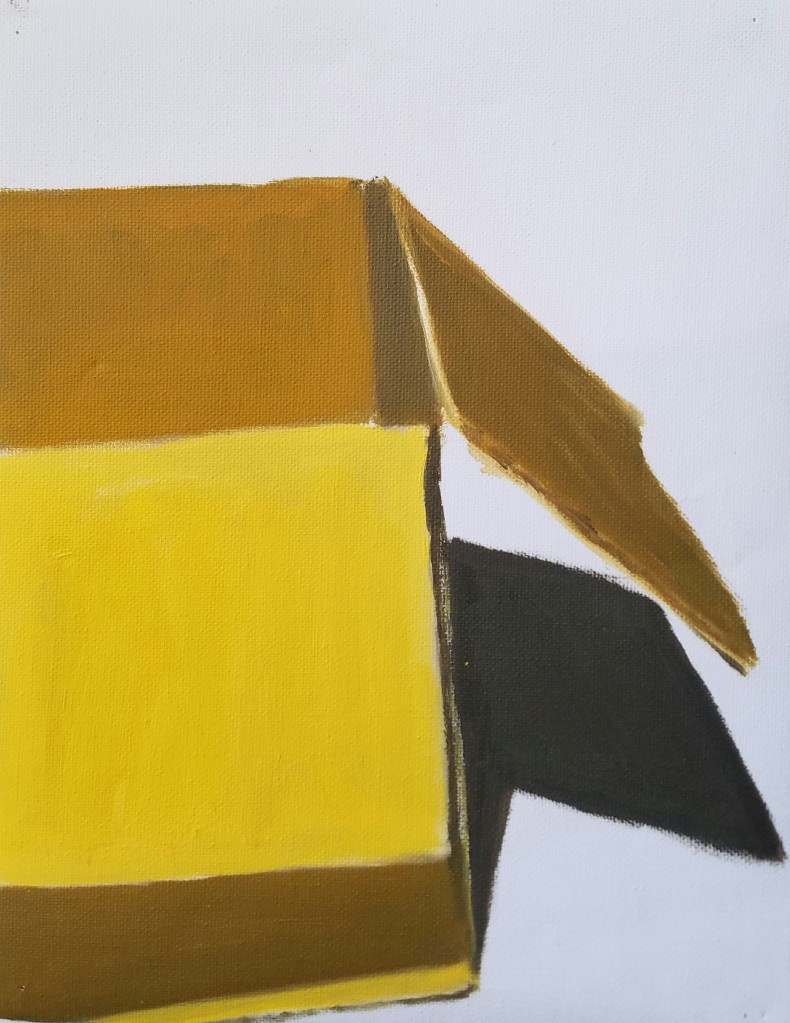
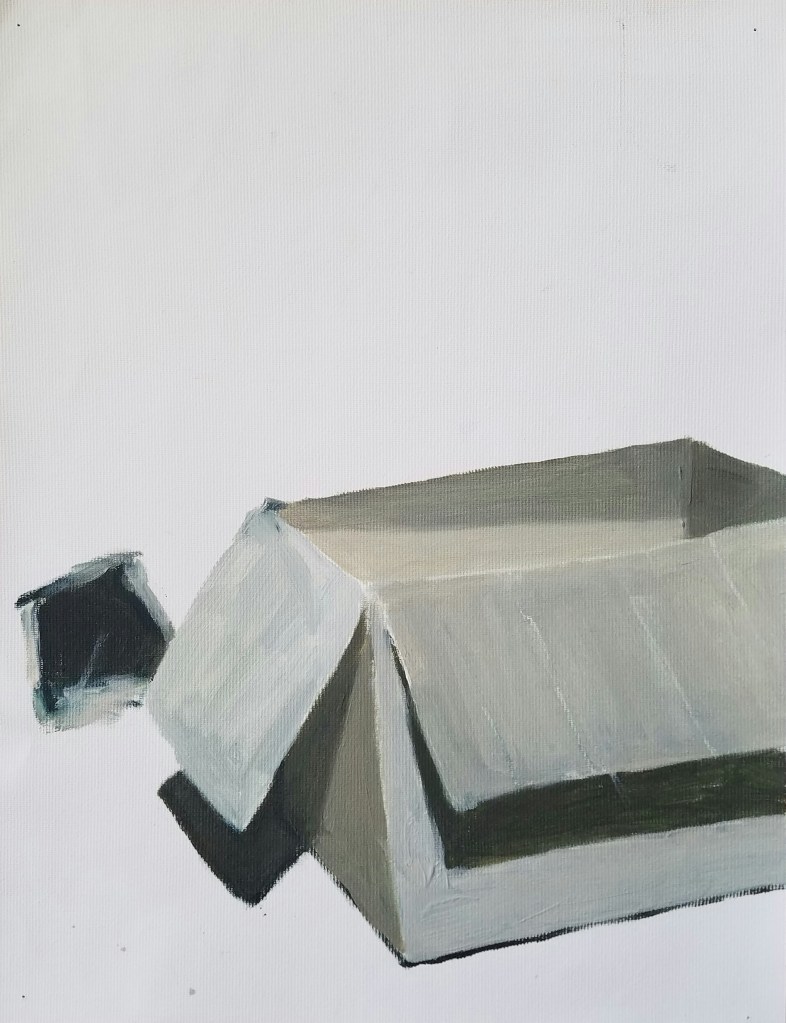
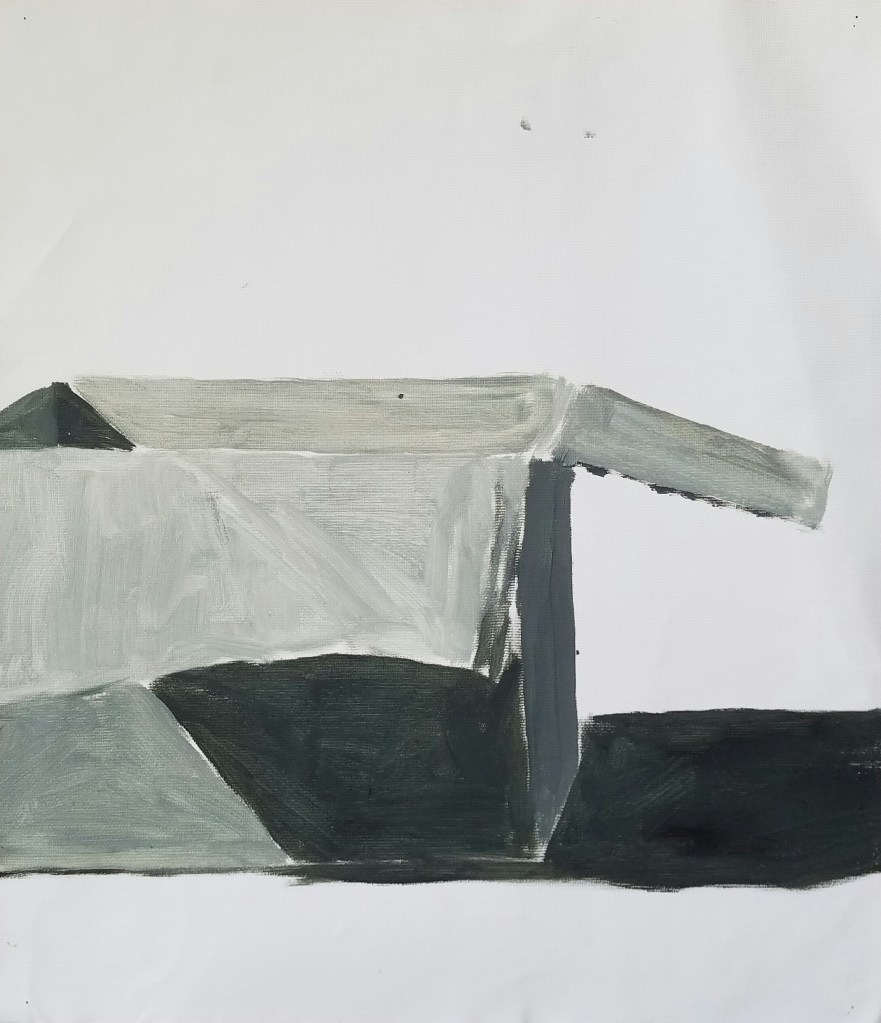
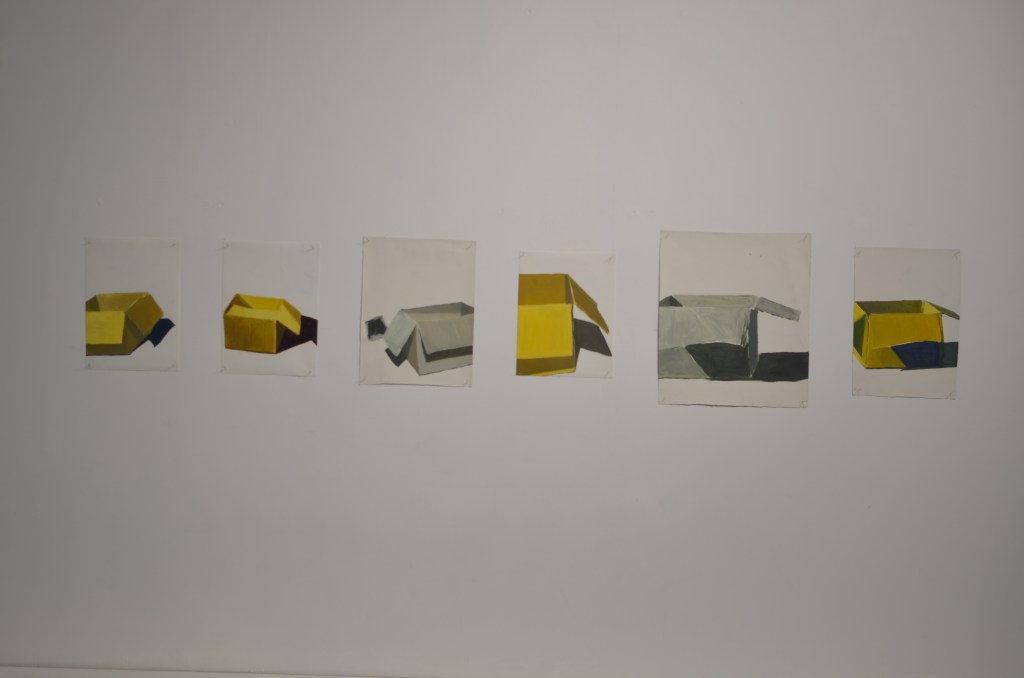
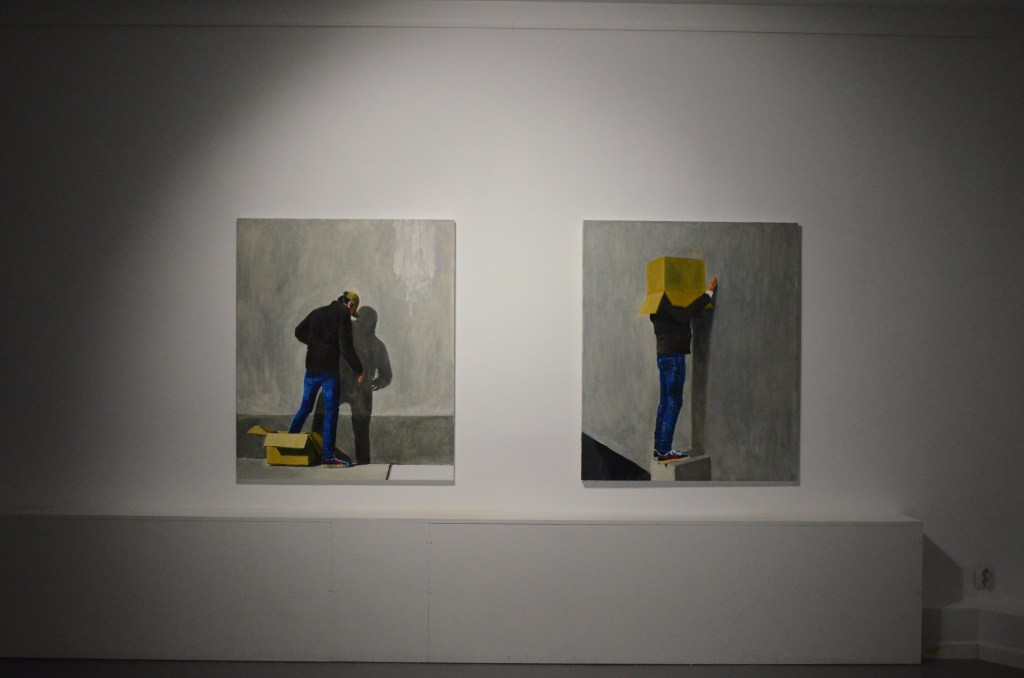
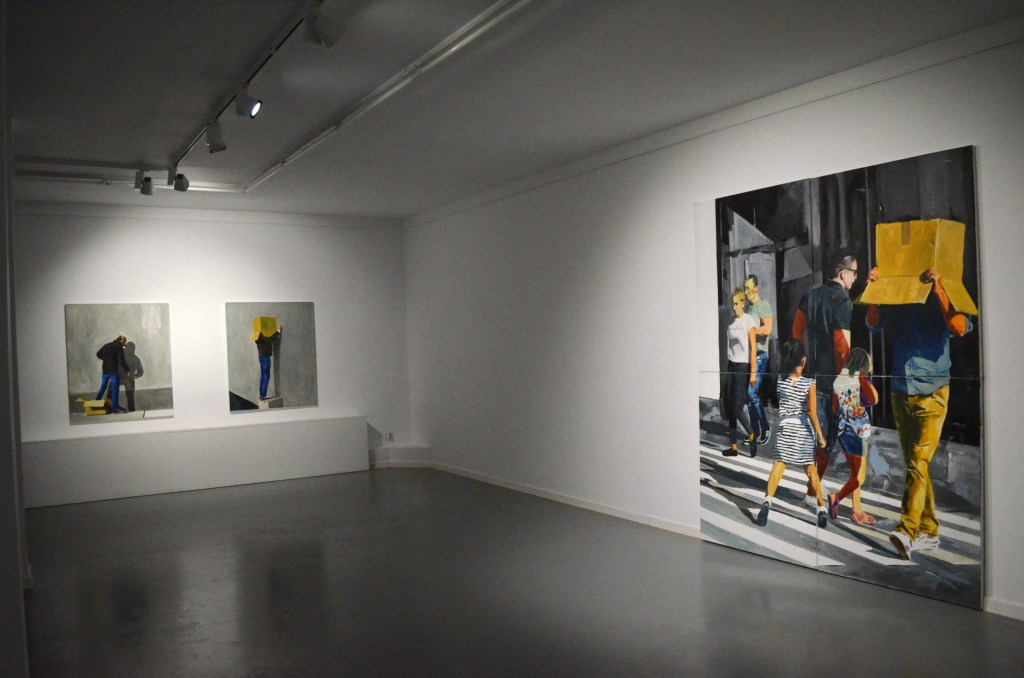
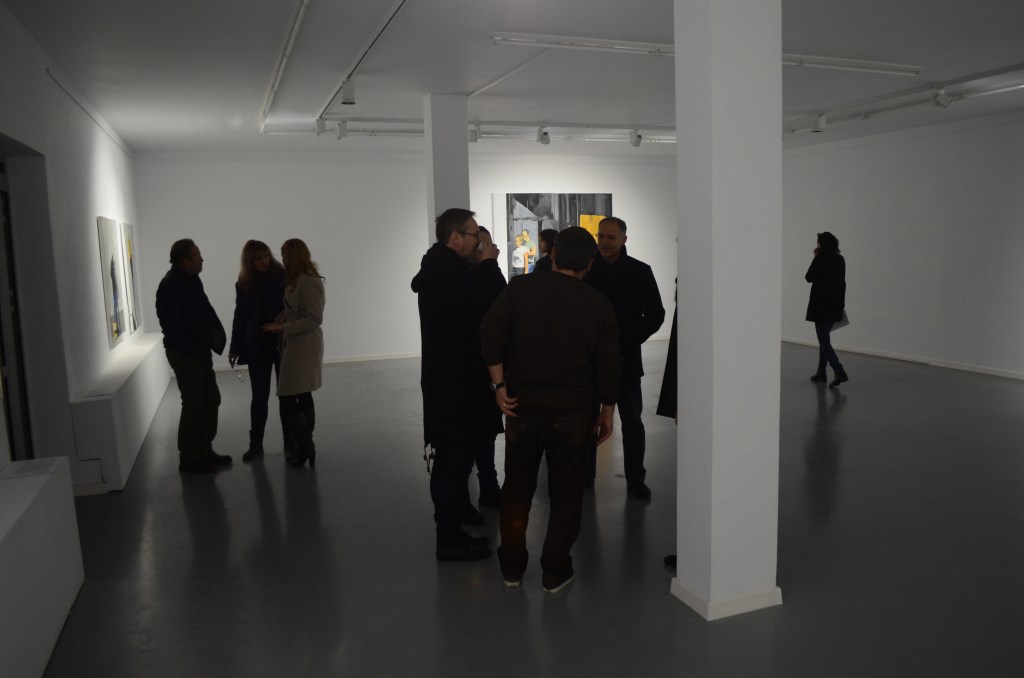
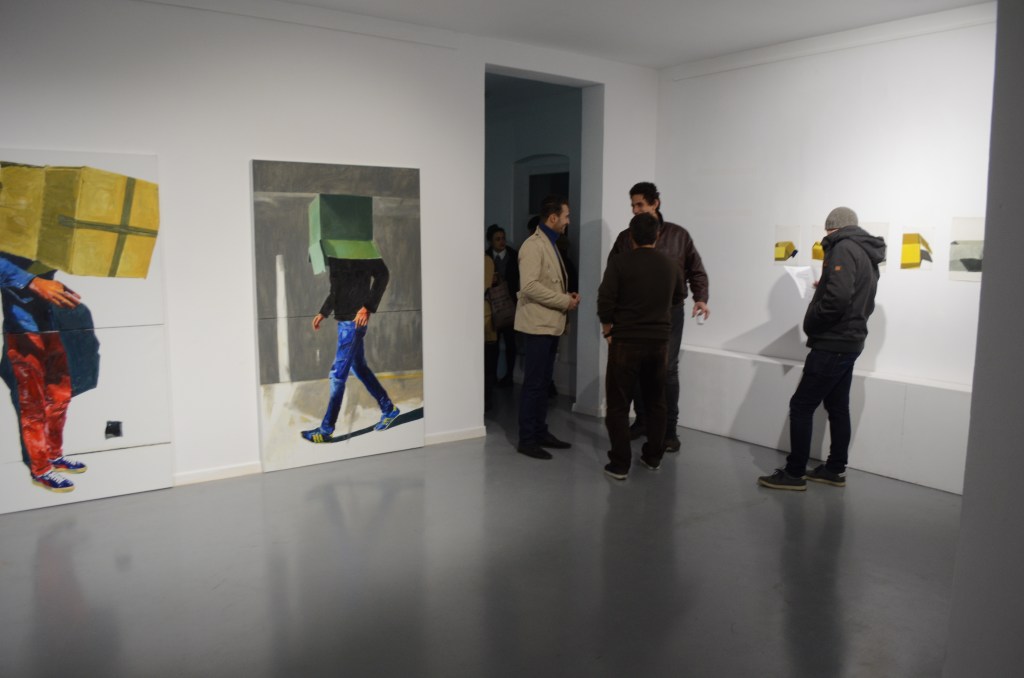
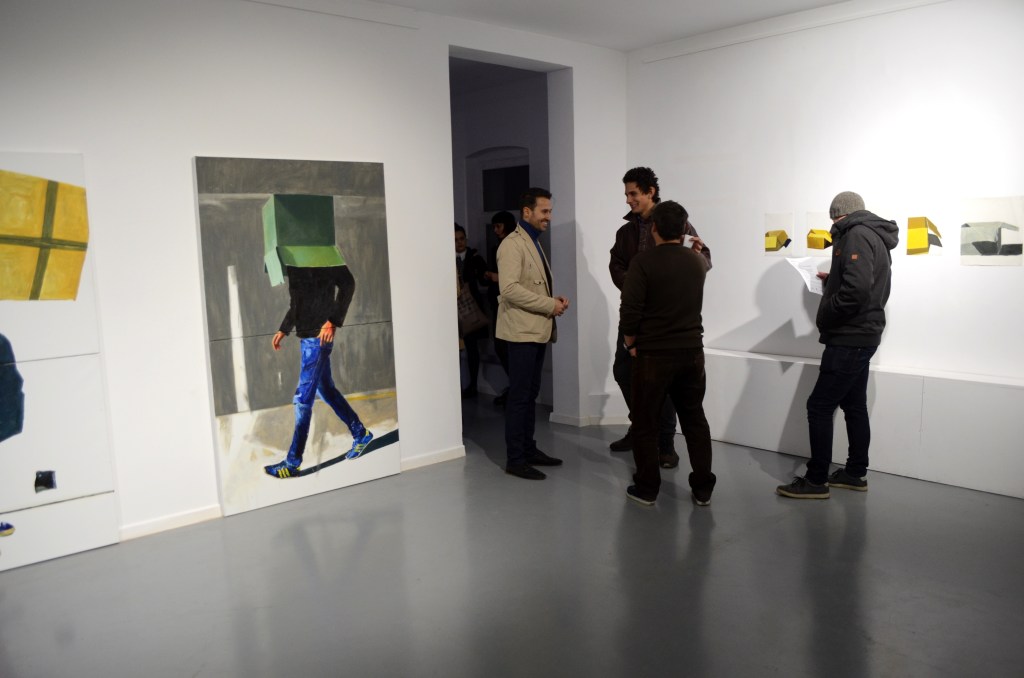
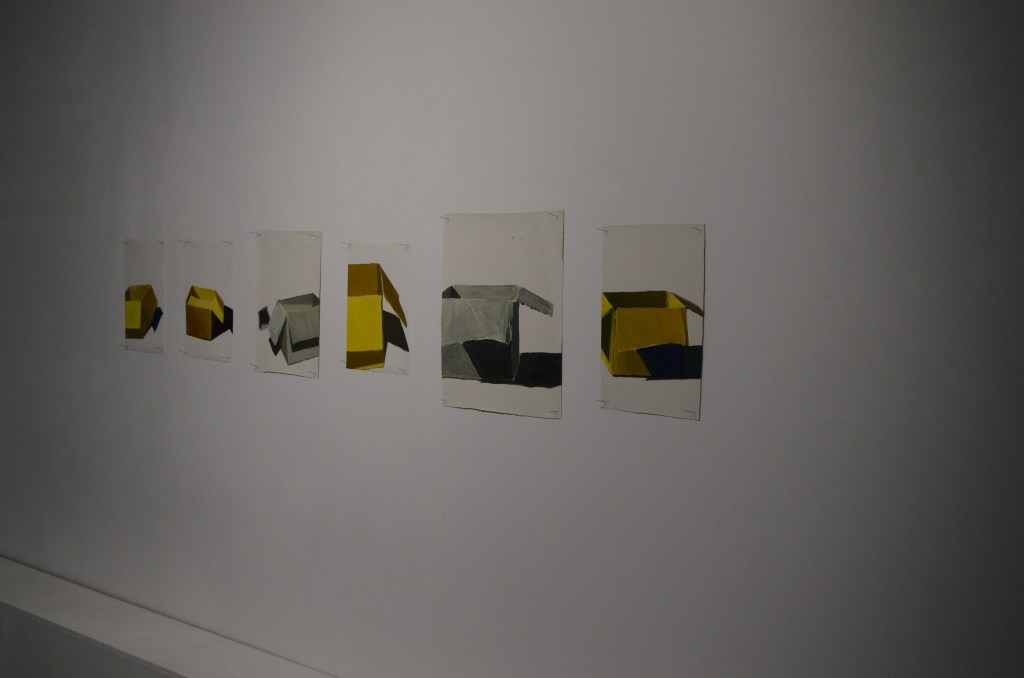


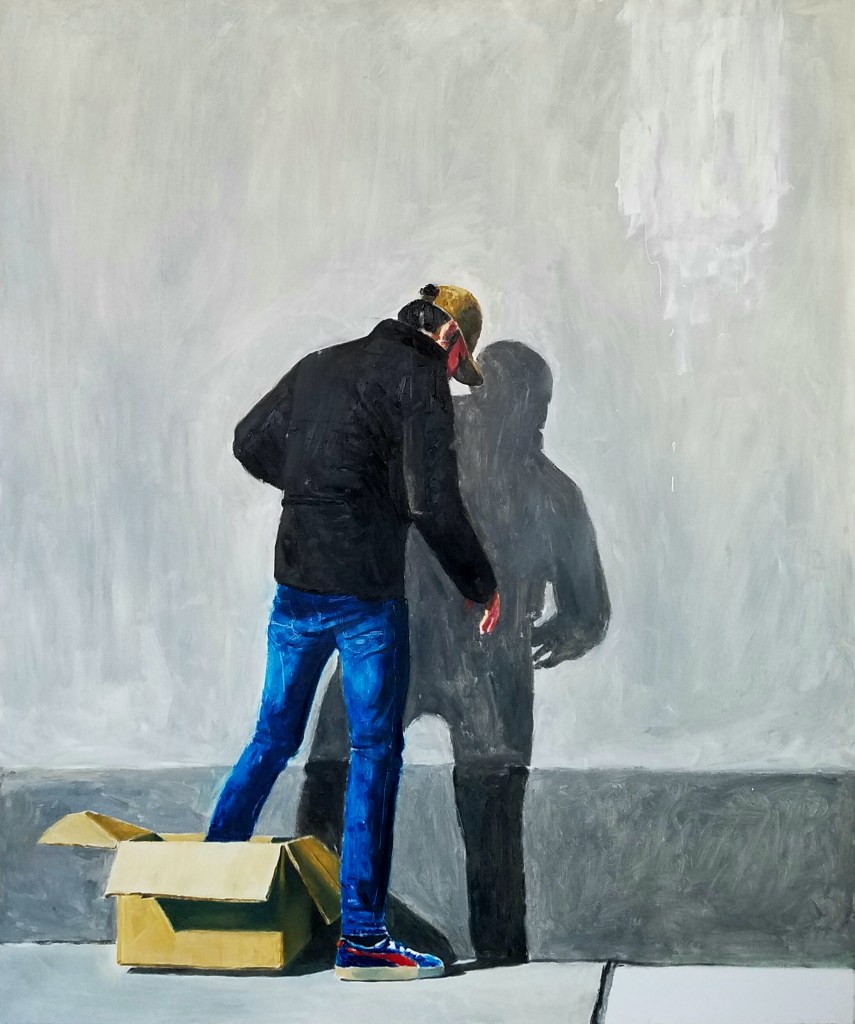
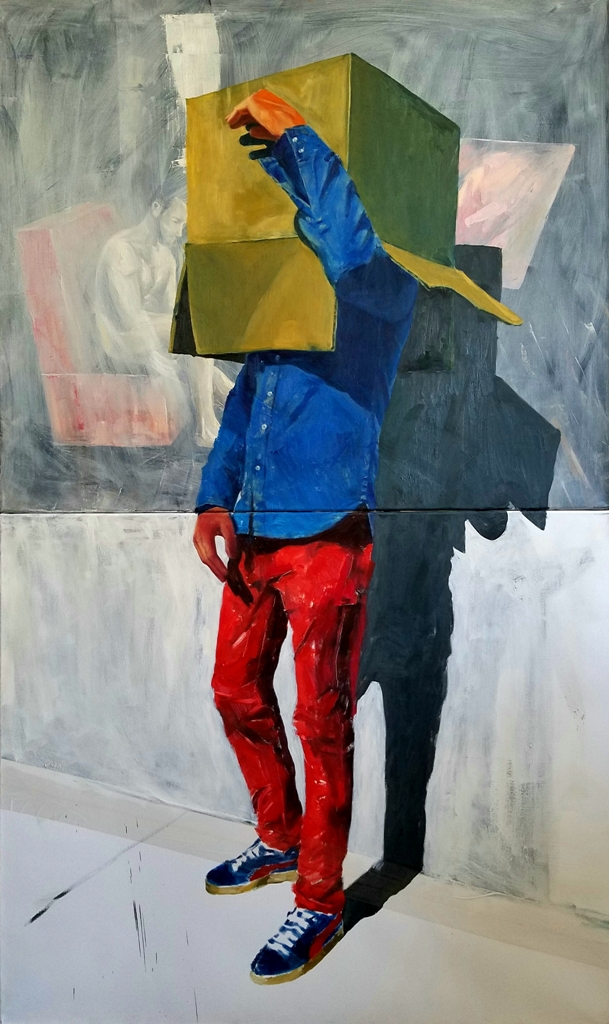
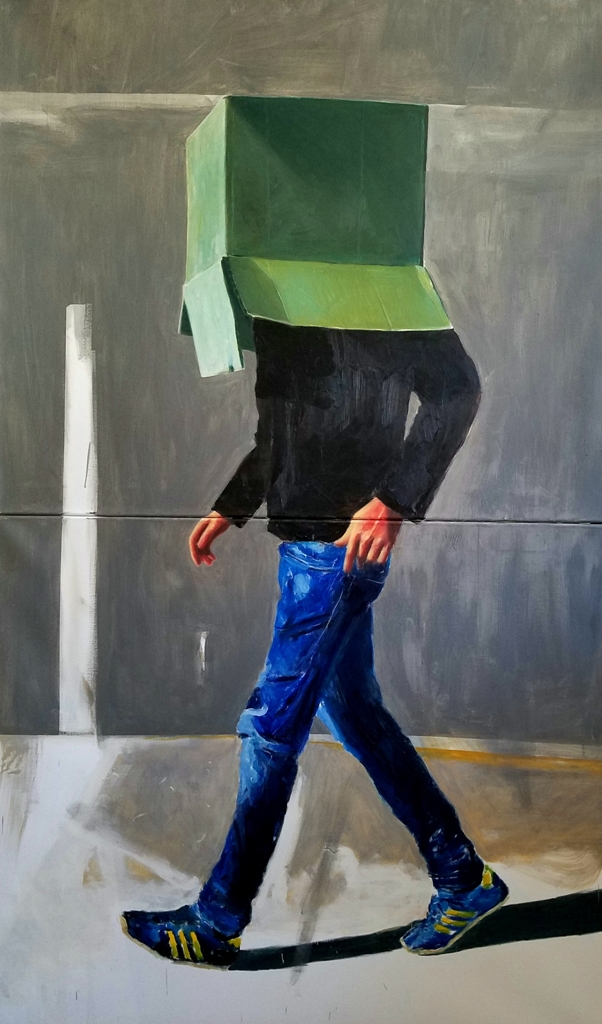
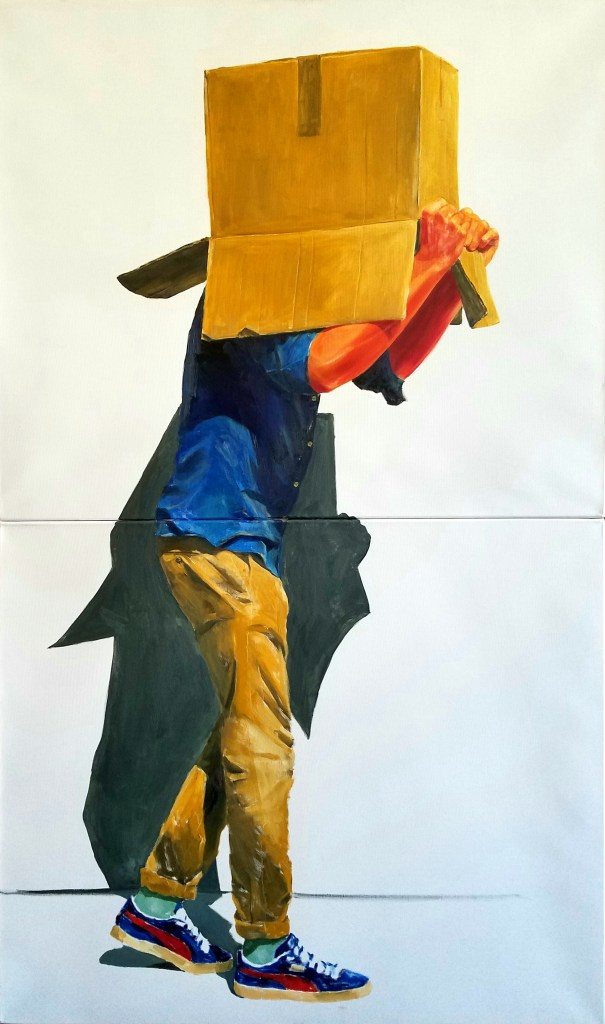

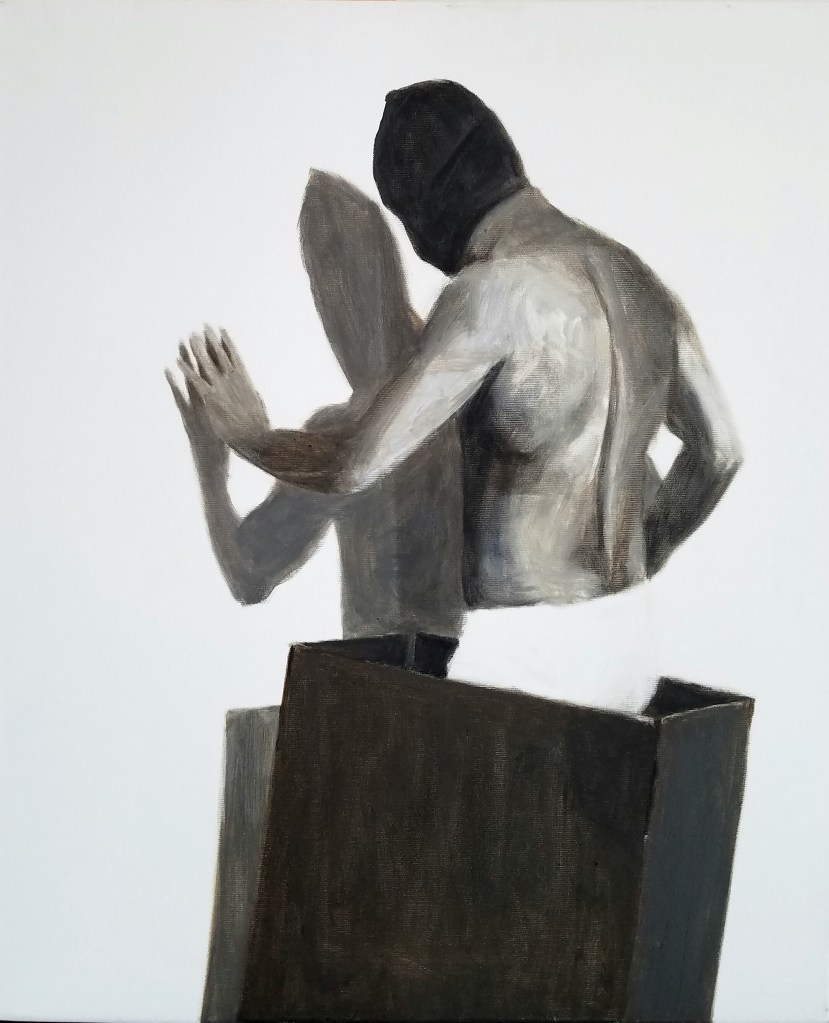
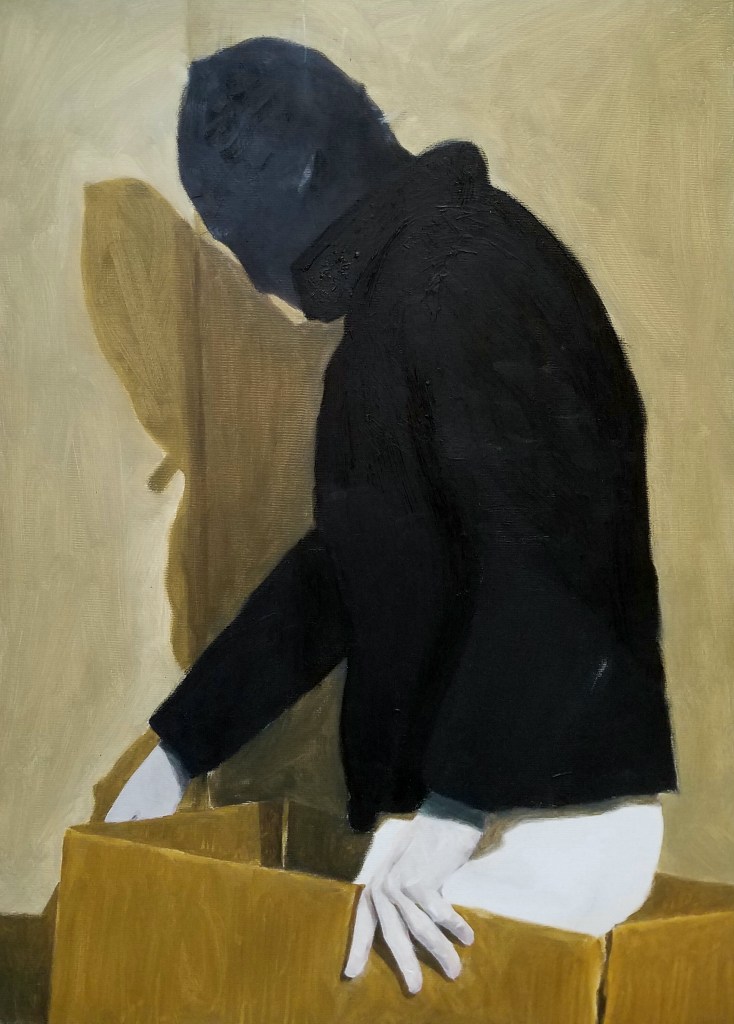
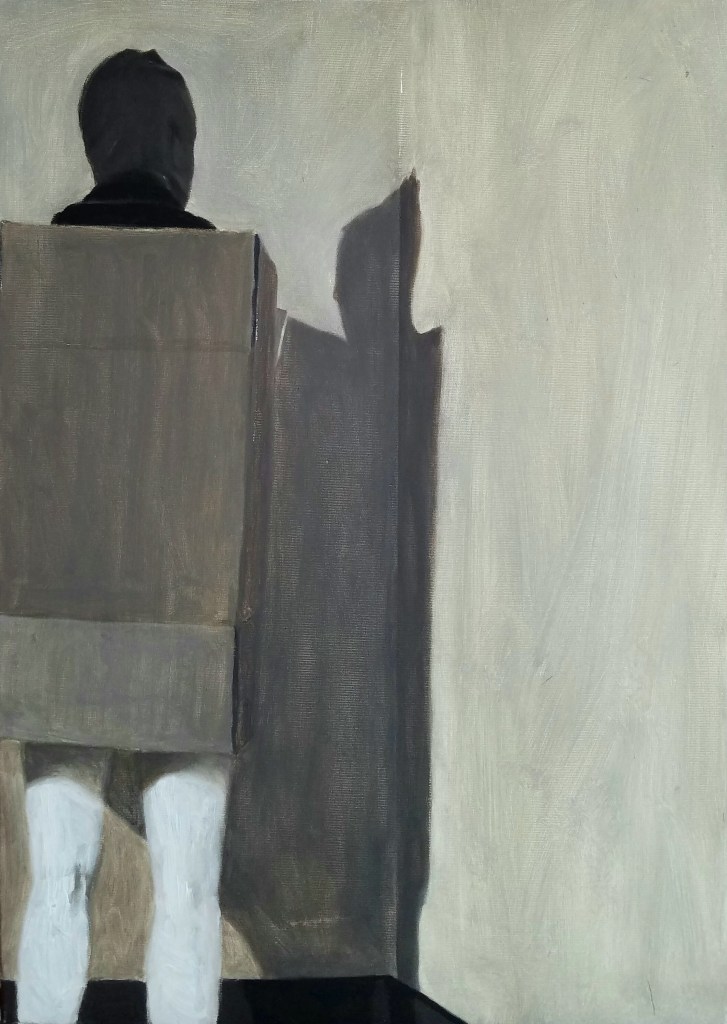
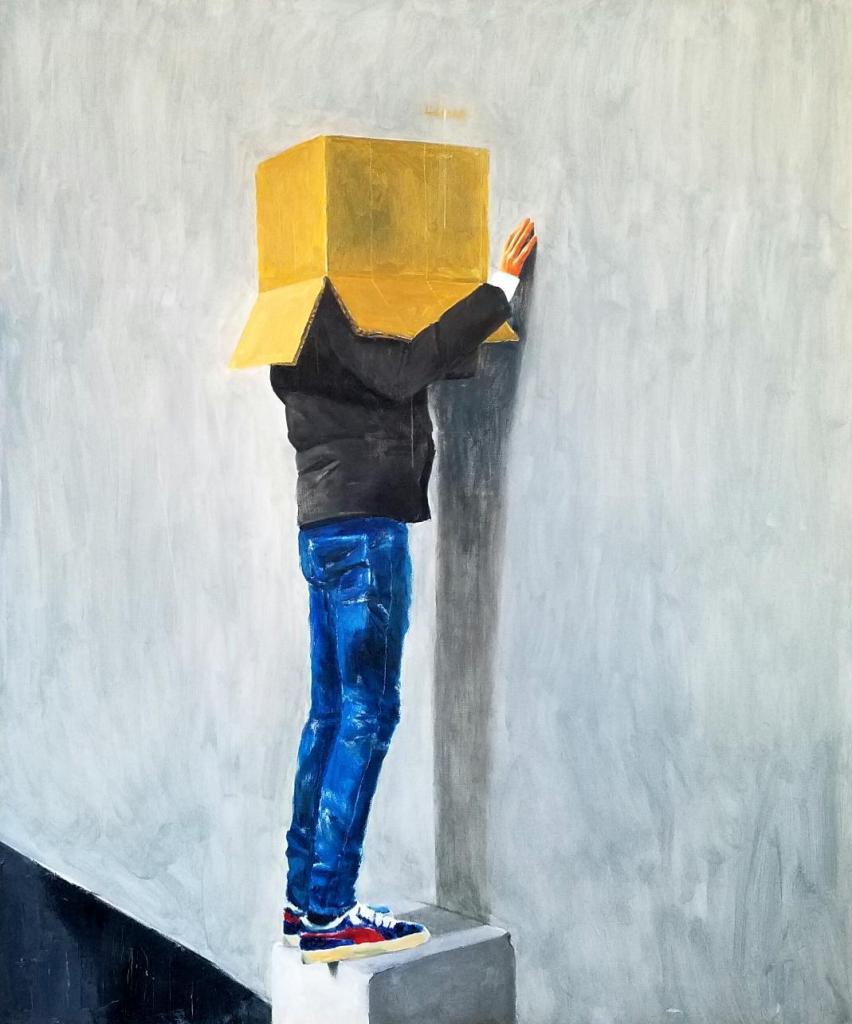
We are living in boxes left open or closed by others, placed in circulation or stored in dark, airless spaces, impossible to locate, very possible to ignore. We make boxes, we put things in boxes, we send boxes, we receive boxes, we get our information, our food, our clothes from boxes, we love and hate each other in boxes, we sleep in boxes, we question our conscience in boxes, we drink our coffee in boxes. Although we catch glimpses of each other between boxes, we mostly hide ourselves behind boxes. In this metonymic case, it will be difficult for us to realize what sort of boxes we have ended up being.
In his visual research, Lucian Brumă started from an ambiguity (object-non-object, material-im-material, space-non-space), exploring through experiment a number of conditions (the meanings, shapes, textures, colors, shadows, positions of a habitual cardboard box, the constraints of an artist’s workspace, the attempt to leave the atelier with one’s own thoughts, the artist’s [in]visibility in the public space, the involvement in a form of street protest, the return to the atelier in order to review the experiment etc.), putting on a number of performances, producing, through their contextual description, a number of individual and modular painted pieces, and assembling them in an exhibition in order to reflect on the poetic and political metaphor of the box.
The contemporary ideology of creativity for consumption has produced a number of entrepreneurial slogans, of which one of the overused and abused ones is “Think outside the box”. This inspirational slogan, with a history in puzzle games, involves the motivation of non-conventional action and lateral thinking with the aim of generating innovation that would facilitate the growth of consumption and, as a consequence, the limitless accumulation of capital. In contrast, but sometimes in a complementary manner, together with this managerial slogan it happens that another phrase is used: “Think inside the box”; the latter, on the one hand, refers to the accusation of having a closed, conservative type of thought, and on the other hand it may refer to the creative questioning of constraints.
In opposition with these types of positioning, specific to managerialism, which looks for creative solutions to accelerate economic profit, the artist has proposed the experience of thinking about the meanings of life in the box, thinking about the box as an object, as material and work process, thinking “about” what resistance and protest through the box could mean: “Think about the box”.
curator, Cătălin Gheorghe
 LUCIAN BRUMĂ